
Maintaining your vehicle’s appearance requires diligent care‚ and understanding proper washing techniques is crucial for preserving its paint and preventing damage over time․
Understanding the Importance of Proper Car Washing
Regular car washing isn’t merely about aesthetics; it’s a vital component of vehicle maintenance‚ protecting your investment from environmental hazards․ Daily exposure to road grime‚ salt‚ bird droppings‚ and industrial fallout can relentlessly attack your car’s paint․ These seemingly minor aggressors accumulate‚ causing micro-scratches‚ dulling the finish‚ and potentially leading to corrosion if neglected․
Prevention is key – frequent‚ correct washing is far more cost-effective than restorative detailing work․ While weekly washes are ideal‚ especially in harsh climates‚ technique matters significantly․ Simply driving through an automatic car wash‚ or using abrasive materials‚ can inflict more harm than good‚ introducing swirl marks and scratches․ Understanding the nuances of safe washing practices ensures a lasting‚ vibrant finish․
The Risks of Improper Washing Techniques
Incorrect car washing can inflict significant damage‚ negating the benefits of cleaning․ Utilizing harsh chemicals‚ like some degreasers‚ can strip away protective waxes and sealants‚ leaving paint vulnerable․ Washing in direct sunlight accelerates water spotting and chemical reactions‚ potentially etching the clear coat․
Reusing contaminated wash mitts is a major culprit for swirl marks․ Trapped dirt and grit act like sandpaper‚ scratching the paint with every pass․ Automatic car washes‚ while convenient‚ often employ abrasive brushes that cause similar damage over time․ Even seemingly harmless towel drying can introduce swirls if the towel isn’t sufficiently soft or clean․ Addressing these risks proactively preserves your vehicle’s finish․
Methods of Car Washing
Various techniques exist‚ from traditional hand washing and rinseless options‚ to waterless solutions‚ self-service bays‚ and automated car washes – each with tradeoffs․
Traditional Hand Washing
Traditional hand washing remains a popular method‚ offering maximum control and attention to detail․ Begin by gathering two buckets – one for soapy water and one for rinsing your wash mitt․ Use a dedicated car wash soap‚ avoiding household detergents which can strip wax․
Employ a high-quality wash mitt made of microfiber to gently lift dirt and grime․ Work in sections‚ starting from the top and moving downwards‚ as this prevents re-depositing dirt onto cleaner areas․ Rinse the mitt frequently in the rinse bucket to avoid swirling scratches․
Thorough rinsing is essential to remove all soap residue‚ preventing water spots․ This method‚ while time-consuming‚ provides the safest and most effective cleaning experience when done correctly‚ preserving your vehicle’s finish․
Rinseless Washing Techniques
Rinseless washing offers a water-saving alternative‚ ideal for areas with water restrictions or for quick detailing․ This method utilizes specialized rinseless wash concentrates diluted in water‚ combined with multiple microfiber towels․
The process involves spraying the solution onto a section of the vehicle‚ gently wiping with a microfiber towel to lift dirt‚ and then immediately drying with a separate‚ clean towel․ It’s crucial to fold your towels frequently to present a clean surface‚ minimizing the risk of scratching․
For heavily soiled vehicles‚ a pre-soak or pre-wash is recommended․ Rinseless washing is efficient and effective‚ providing a safe cleaning option when performed with proper technique and quality products‚ like Meguiar’s․
Waterless Wash and Wax Solutions
Waterless wash and wax products are designed for lightly soiled vehicles‚ offering a convenient all-in-one cleaning and protection solution․ These sprays contain lubricants and cleaning agents that lift dirt while leaving behind a protective wax layer․
Application involves spraying the product onto a section of the vehicle and gently wiping with a clean‚ plush microfiber towel in straight lines․ Avoid circular motions to minimize swirl marks․ Multiple towels are essential – one for applying and wiping‚ and several clean ones for buffing․
Products like Meguiar’s Waterless Wash & Wax are popular choices‚ especially for maintaining a clean look between full washes․ However‚ they are not suitable for heavily contaminated surfaces‚ as dragging dirt can cause scratches․
Self-Service Car Wash Bays
Self-service car wash bays provide a cost-effective middle ground between hand washing and automatic washes‚ offering more control over the cleaning process․ These bays typically feature a high-pressure wand with various settings‚ including soap‚ rinse‚ wax‚ and tire cleaner․
A common technique involves pre-rinsing the vehicle to remove loose debris‚ then applying soap‚ followed by a thorough rinse․ Some users utilize the bay’s brush‚ but caution is advised as these can harbor dirt and cause swirl marks; using it solely for wheels is preferable․
Following the rinse‚ a wax application can add a layer of protection․ Remember to bring your own high-quality microfiber towels for drying to avoid scratches‚ as bay-provided towels are often inadequate․
Automatic Car Washes: Pros and Cons
Automatic car washes offer convenience and speed‚ making them a popular choice for busy individuals․ However‚ they present a trade-off between ease and potential paint damage․ Touchless washes utilize high-pressure water and detergents‚ minimizing physical contact but potentially leaving residue․
Traditional automatic washes employ brushes or cloth strips‚ which‚ while effective at removing dirt‚ can inflict swirl marks and scratches over time‚ especially with repeated use․ A recent observation noted increasing swirl marks from frequent automatic wash visits․
Pros: Speed‚ convenience‚ affordability․ Cons: Potential for scratches‚ inadequate cleaning in heavily soiled areas‚ harsh chemicals․ Cancelling subscriptions and switching to manual methods is a common response to paint concerns․
Preparing for a Car Wash
Before washing‚ inspect for existing damage and remove loose debris to prevent further scratches during the cleaning process‚ ensuring optimal results․
Gathering Necessary Supplies
A successful car wash begins with assembling the right tools․ You’ll need a quality car wash soap specifically formulated for automotive paint – avoid household detergents! Invest in two buckets: one for soapy water and one for rinsing your wash mitt․ Speaking of mitts‚ choose microfiber to minimize swirl marks․
Dedicated wheel and tire brushes are essential‚ alongside a hose with a spray nozzle․ High-quality microfiber drying towels are crucial for a spot-free finish‚ and consider an air blower for hard-to-reach areas․ For post-wash care‚ have wax or sealant readily available․ PS Brake Buster for wheels and tires is also a good addition‚ as well as Meguiar’s Waterless Wash & Wax for quick touch-ups․
Pre-Wash Inspection for Damage
Before you even think about soap and water‚ thoroughly inspect your vehicle’s paintwork․ Look for existing scratches‚ chips‚ or areas of corrosion․ This pre-wash assessment helps you understand the current condition and avoid exacerbating existing issues during the cleaning process․ Note any problem areas – these might require special attention or professional repair later․
Check for loose trim or components․ A quick walk-around will reveal potential vulnerabilities․ Identifying these beforehand prevents further damage during washing․ Remember‚ prevention is easier and more affordable than correction․ Addressing minor imperfections now can save you significant costs down the line‚ preserving your car’s aesthetic appeal and value․
Removing Loose Debris
Prior to washing‚ eliminate loose dirt‚ dust‚ leaves‚ and bird droppings․ This step is vital to prevent swirling and scratching during the wash process․ A gentle pre-rinse with water is a good starting point‚ but often isn’t enough․ Use a dedicated pre-wash spray or foam to loosen stubborn grime․
Employ a soft brush or a dedicated detailing brush to carefully remove debris from crevices‚ around emblems‚ and along body lines․ Avoid abrasive tools that could mar the paint․ Thoroughly removing this loose material minimizes the risk of inflicting micro-scratches‚ ensuring a cleaner‚ safer wash․ This simple step significantly improves the final result and protects your vehicle’s finish․
The Washing Process: Step-by-Step
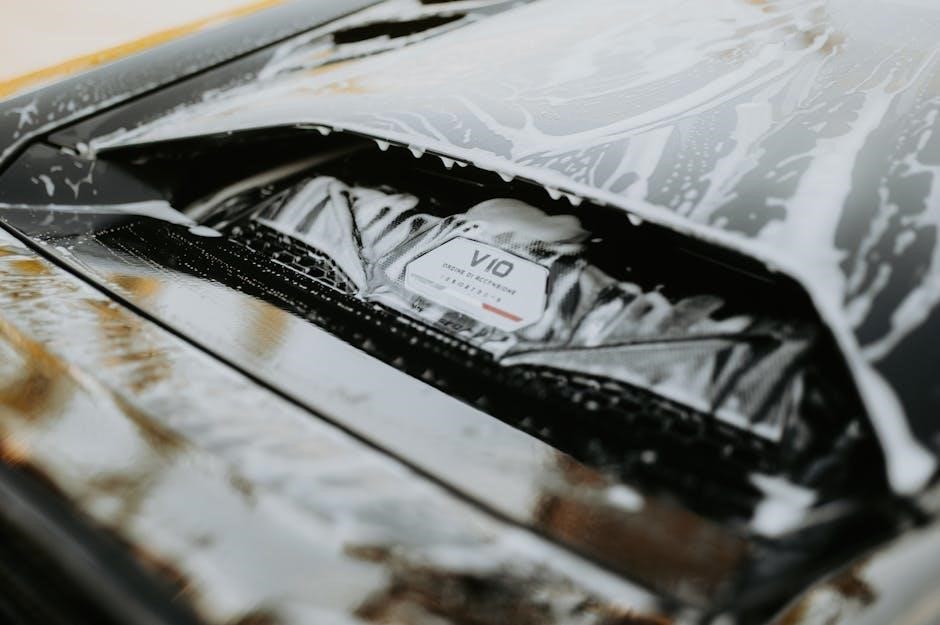
Begin with wheels and tires‚ then apply car wash soap from top to bottom‚ rinsing thoroughly to remove all residue and prevent water spots․
Wheel and Tire Cleaning
Before washing the car’s body‚ dedicate attention to the wheels and tires‚ as they accumulate significant brake dust and grime․ Applying a product like PS Brake Buster‚ as suggested by experienced detailers‚ can effectively loosen stubborn dirt․ Allow the cleaner to dwell for the recommended time‚ ensuring it doesn’t dry on the surface․
Utilize a dedicated wheel brush – avoid using the same brush for painted surfaces to prevent contamination․ Thoroughly scrub both the tires and wheels‚ reaching into all crevices․ Rinse completely with water‚ ensuring all traces of the cleaner are removed․ This initial step prevents dirt transfer to the car’s paint during the subsequent washing stages‚ contributing to a cleaner‚ swirl-free finish․ A clean wheel is a happy wheel!
Applying Car Wash Soap
Once the vehicle is rinsed of loose debris‚ it’s time to apply car wash soap․ Use a dedicated car wash soap – household detergents can strip away wax and damage the paint․ Mix the soap according to the manufacturer’s instructions‚ typically in a bucket of water․
Employ a high-quality wash mitt‚ preferably microfiber‚ to avoid introducing scratches․ Dip the mitt into the soapy water and gently apply it to the vehicle’s surface‚ working in straight lines rather than circular motions․ This minimizes the risk of creating swirl marks․ Ensure the mitt remains saturated with soapy water throughout the process‚ frequently rinsing it in a separate bucket of clean water to lift away dirt and prevent reapplication․
Washing Techniques: Top to Bottom
Begin washing from the top of the vehicle and work your way down․ This prevents dirt and grime from previously cleaned sections from contaminating lower areas․ Focus on one section at a time – roof‚ hood‚ sides‚ and finally‚ the lower panels․
Maintain gentle pressure and use straight‚ overlapping motions with your wash mitt․ Avoid scrubbing aggressively‚ as this can induce swirl marks․ Regularly rinse the mitt in a separate bucket of clean water to remove accumulated dirt․ Pay attention to areas prone to collecting grime‚ like around wheel wells and door handles․ Remember‚ technique matters more than frequency when aiming for a spotless finish and protecting your car’s paint․
Rinsing Thoroughly
After applying car wash soap‚ a comprehensive rinse is paramount․ Begin with a broad rinse to remove the bulk of the suds‚ then focus on ensuring no soap residue remains‚ as it can cause spotting and streaks upon drying․
Utilize a strong‚ consistent stream of water‚ working from the top down‚ similar to the washing process․ Pay close attention to crevices‚ trim‚ and areas where soap tends to accumulate․ A final rinse with filtered water‚ if available‚ can further minimize water spots․ Thorough rinsing is a critical step in achieving a clean‚ streak-free finish and protecting your vehicle’s paint from potential damage․
Drying Your Vehicle
Prompt and careful drying prevents water spots and minimizes swirl marks; selecting the right tools and techniques is essential for a flawless finish․
Choosing the Right Drying Towel
Selecting the appropriate drying towel is paramount to avoiding scratches and swirl marks during the drying process․ Microfiber towels are overwhelmingly recommended due to their exceptional softness and absorbency․ Look for towels specifically marketed for car drying‚ as these often feature a higher GSM (grams per square meter) indicating greater thickness and absorbency․
Avoid using household towels or older‚ worn-out microfiber towels‚ as they may contain embedded dirt particles that can scratch the paint․ Waffle-weave microfiber towels are particularly effective at lifting water off the surface‚ while plush microfiber towels offer excellent cushioning․ Consider having multiple drying towels on hand; dedicate one for the body panels and another for wheels and tires to prevent cross-contamination․ Proper towel care‚ including washing without fabric softener‚ will extend their lifespan and maintain their effectiveness․
Proper Drying Techniques to Avoid Swirls
To minimize the risk of swirl marks‚ employ a gentle drying technique․ Begin by lightly blotting the surface with a clean microfiber drying towel‚ rather than dragging it across the paint․ Work in straight lines‚ overlapping each pass slightly‚ and avoid circular motions․ Frequently rinse and wring out the towel as it becomes saturated with water․
Consider using a two-towel method: one for the majority of the water removal and a second‚ plush towel for a final‚ gentle pass to eliminate any remaining streaks․ If using an air blower‚ ensure the nozzle is clean and maintain a safe distance from the paint to prevent damage․ Always dry in a shaded area to avoid water spotting‚ and inspect the paint frequently for any signs of contamination․
Using Air Blowers for Drying
Air blowers offer a touchless drying solution‚ significantly reducing the chance of swirl marks caused by towel contact․ Before use‚ ensure the blower nozzle is clean and free of debris to prevent scratching the paint․ Maintain a consistent distance of at least 6-12 inches from the vehicle’s surface‚ adjusting based on the blower’s power․
Start at the top and work your way down‚ directing the airflow along the body panels․ Pay close attention to crevices and trim pieces where water tends to accumulate․ While effective‚ air blowers may not remove all water‚ so a final wipe-down with a clean microfiber towel is often recommended․ Regularly inspect the paint for any signs of damage during the drying process․
Post-Wash Care
Following a wash‚ applying wax or sealant protects the paint‚ while a basic interior cleaning enhances the overall appearance and preserves value․
Applying Wax or Sealant
After thoroughly drying your vehicle‚ applying a quality wax or sealant is paramount for long-term paint protection․ These products create a sacrificial layer‚ shielding the clear coat from damaging UV rays‚ environmental contaminants‚ and minor abrasions․ Wax provides a warm‚ deep gloss‚ while sealants generally offer longer-lasting durability․
Proper application involves working in a shaded area‚ applying a thin‚ even coat with an applicator pad‚ and allowing it to haze before buffing off with a clean microfiber towel․ Following the product’s instructions is crucial for optimal results․ Regular waxing or sealing – every few months – significantly extends the life and vibrancy of your car’s finish‚ preventing oxidation and maintaining its showroom shine․ Don’t underestimate this vital step!
Interior Cleaning Basics
A clean interior complements a sparkling exterior‚ enhancing the overall driving experience․ Begin by removing all loose items and vacuuming thoroughly‚ paying attention to carpets‚ seats‚ and crevices․ Utilize a crevice tool for hard-to-reach areas․ For surfaces like dashboards and door panels‚ employ an interior detailer and microfiber cloths – avoid harsh chemicals that can cause damage or discoloration․
Glass surfaces benefit from a dedicated glass cleaner‚ ensuring streak-free visibility․ Leather seats require specialized leather cleaners and conditioners to maintain their suppleness and prevent cracking․ Regular interior cleaning prevents the buildup of dust‚ dirt‚ and allergens‚ contributing to a healthier and more enjoyable cabin environment․ A little effort goes a long way!
Addressing Scratches and Swirls
Unfortunately‚ even with careful washing‚ minor scratches and swirl marks can appear on your vehicle’s paint‚ often caused by improper drying techniques or automated car washes․ Light scratches can often be addressed with a polishing compound and a microfiber applicator‚ working in small sections with gentle pressure․ More significant scratches may require professional attention from a detailing specialist․
Before polishing‚ thoroughly clean the affected area․ Always test the compound in an inconspicuous spot first․ Following polishing‚ apply a wax or sealant to protect the newly corrected paint and restore its shine․ Prevention is key – switching to a rinseless wash or hand washing with proper techniques can minimize the occurrence of these imperfections․
Avoiding Common Car Wash Mistakes
Steer clear of harsh chemicals‚ washing in direct sunlight‚ and reusing contaminated wash mitts – these habits can inflict damage upon your vehicle’s delicate finish․
Using Harsh Chemicals
Employing aggressive cleaning agents‚ like some household detergents‚ can strip away protective waxes and sealants‚ leaving your car’s paint vulnerable to the elements․ These chemicals often contain abrasive compounds that inflict micro-scratches‚ diminishing the gloss and clarity of the finish over time․ Opt instead for car wash soaps specifically formulated for automotive paint; these are pH-balanced and designed to lift dirt without causing harm․
Furthermore‚ avoid using brake cleaners or degreasers on painted surfaces‚ as they are incredibly potent and can cause irreversible damage․ Even seemingly innocuous products‚ like dish soap‚ lack the necessary lubricants to safely remove grime‚ increasing the risk of swirl marks․ Prioritize gentle‚ automotive-specific products to safeguard your vehicle’s appearance and longevity․
Washing in Direct Sunlight
Washing your car under the scorching sun seems convenient‚ but it’s a recipe for disaster․ The heat causes the soap and water to dry rapidly on the surface‚ leaving behind unsightly water spots and potentially etching the paint․ This accelerated drying also makes it difficult to rinse thoroughly‚ increasing the chance of soap residue being left behind․
Moreover‚ the heat intensifies the effects of cleaning chemicals‚ making them more aggressive and prone to causing damage․ Seek shade – a garage‚ carport‚ or even a cloudy day – to ensure a safe and effective wash․ If shade isn’t available‚ work in sections‚ rinsing each area immediately after washing to prevent drying and spotting․
Reusing Contaminated Wash Mitts
One of the most common‚ yet damaging‚ car wash mistakes is reusing a wash mitt without thoroughly rinsing it․ A seemingly clean mitt can harbor abrasive particles – dirt‚ grit‚ and road grime – picked up during the washing process․ Dragging these particles across your paintwork acts like sandpaper‚ inflicting swirl marks and micro-scratches that dull the finish over time․
Always rinse your wash mitt frequently‚ ideally after each panel‚ to remove accumulated contaminants․ Consider using two buckets – one for soapy water and one for rinsing the mitt – to minimize the transfer of dirt back onto the car․ Regularly inspect your mitt for embedded debris and replace it when it becomes excessively worn or contaminated․
Long-Term Car Paint Protection
Consistent washing‚ alongside applying protective coatings like ceramic finishes or paint protection film‚ are vital for shielding your car’s paint from long-term damage․
Regular Washing Schedule
Establishing a consistent car washing routine is paramount for long-term paint preservation․ Weekly washes‚ particularly in areas exposed to harsh weather or road contaminants‚ prevent the build-up of damaging particles․ Even seemingly minor debris like dust‚ pollen‚ and bird droppings can inflict micro-scratches over time‚ dulling the finish․
For those in milder climates‚ bi-weekly washes might suffice‚ but adapting to conditions is key․ Utilizing rinseless wash solutions or waterless wash and wax products offers convenience for quick maintenance between thorough washes․ Remember‚ frequent cleaning‚ even with gentler methods‚ is more effective than infrequent‚ aggressive cleaning attempts․ Prioritizing a schedule safeguards against corrosion and maintains a vibrant‚ protected appearance․
Protective Coatings: Ceramic and Paint Protection Film
Beyond regular washing‚ consider investing in protective coatings like ceramic coatings or Paint Protection Film (PPF) for enhanced durability․ Ceramic coatings create a hydrophobic layer‚ repelling water and contaminants‚ making washing easier and reducing swirl marks․ They offer excellent gloss and UV protection‚ preserving paint integrity for years․
PPF‚ a transparent urethane film‚ provides a physical barrier against scratches‚ stone chips‚ and other road hazards․ While more expensive than ceramic coatings‚ PPF offers superior impact resistance․ Both options require professional application for optimal results․ These coatings minimize the need for harsh chemicals and aggressive polishing‚ ultimately safeguarding your vehicle’s finish and maintaining its pristine condition․