
Welbilt Bread Machine Recipes PDF: A Comprehensive Guide
Discover a wealth of Welbilt bread machine resources, including manuals and recipes, readily available online for various models like ABM100-3 and ABM3000.
Welbilt bread machines, a popular choice for home bakers, offer convenience and consistency in crafting delicious loaves. From classic white bread to more adventurous recipes, these machines simplify the bread-making process. Numerous models, such as the ABM100-4, have been produced over the years, each with its own unique features and capabilities. Finding the right resources, like instruction manuals and recipe booklets, is crucial for maximizing your Welbilt experience.
Many users seek PDF versions of these manuals for easy access and storage. These documents often contain essential information regarding machine operation, troubleshooting tips, and, importantly, a collection of tested recipes. Whether you’re a seasoned bread baker or a beginner, understanding your Welbilt machine’s settings and features will unlock a world of baking possibilities. Exploring online communities and support websites can also provide valuable insights and assistance.
Popular Welbilt Bread Machine Models
Welbilt has produced several bread machine models over the years, catering to diverse baking needs. The ABM100-3 is a frequently mentioned model, known for its reliability and ability to handle up to 2lb loaves. The ABM100-4 is another popular choice, with readily available instruction manuals and recipe resources online. The ABM3000 model also enjoys a following, with users seeking its specific recipe booklet in PDF format.
Finding information specific to your model is key to successful baking. While some settings and recipes are universal, nuances exist between different Welbilt machines. Resources like Amazon and various online marketplaces often list manuals and recipe books for these models. Understanding your machine’s capacity and features, as detailed in its manual, will ensure optimal results and unlock the full potential of your Welbilt bread maker.
Where to Find Welbilt Bread Machine PDFs
Locating Welbilt bread machine PDF manuals and recipe books often involves online searches. Websites like Amazon host listings for instruction manuals, including those for models ABM100-4 and ABM3000. A broader internet search using the specific model number (e.g., “Welbilt ABM100-3 manual PDF”) frequently yields results from various online archives and appliance support forums.
While official Welbilt support websites are a primary source, third-party sites dedicated to appliance manuals can also be helpful. Be cautious when downloading from unfamiliar sources, ensuring the file is safe and virus-free. Many users have successfully found and shared PDF versions of recipe booklets and instruction guides, creating a community-driven resource for Welbilt bread machine owners. Remember to verify the manual matches your exact model for accurate information.
Understanding Welbilt Bread Machine Settings
Welbilt bread machines offer a range of settings to accommodate diverse baking needs. The ABM-100-3 model, for instance, typically supports up to 2lb loaves, emphasizing the importance of secure kneading paddle attachment for optimal results. Understanding these settings is crucial for successful baking, as they control kneading, rising, and baking times.
Basic settings include options for standard loaf sizes and crust colors. Beyond these, Welbilt machines often feature specialty settings like ‘Sweet’ for enriched doughs, and potentially ‘Gluten-Free’ options, though adaptation may be needed. Referencing your specific model’s PDF manual is vital to decipher the function of each setting and ensure accurate recipe execution. Proper setting selection directly impacts the final bread texture and flavor.
Basic Settings Explained
Welbilt bread machines simplify baking with intuitive basic settings. The ‘Loaf Size’ setting allows selection between 1.5lb and 2lb loaves, impacting ingredient proportions and baking time. ‘Crust Color’ offers choices from light to dark, influencing the final bread’s appearance and texture. These are fundamental controls for any recipe.
The ‘Basic’ cycle is designed for standard white bread recipes, automatically handling kneading, rising, and baking. Understanding these core functions is key to adapting recipes. Always consult your Welbilt model’s PDF manual for precise timing and recommended ingredient quantities for each loaf size and crust preference. Correctly utilizing these basic settings ensures a consistently well-baked loaf, forming the foundation for more complex recipes.
Specialty Settings (Sweet, Gluten-Free, etc.)
Welbilt bread machines feature specialized cycles beyond basic bread making. The ‘Sweet’ setting is optimized for recipes containing higher sugar content, adjusting kneading and rising times for enriched doughs. For those with dietary restrictions, a ‘Gluten-Free’ cycle is available, often requiring a gluten-free flour blend and potentially a dough enhancer for optimal results.
Other settings may include ‘French’, ‘Whole Wheat’, or ‘Dough Only’. Refer to your Welbilt model’s PDF manual for specific instructions and recommended recipes for each cycle. Adapting standard recipes for these settings often requires adjustments to liquid and flour ratios. Experimentation, guided by the manual, is key to mastering these specialty functions and expanding your bread-making repertoire.
Essential Recipes for Your Welbilt Bread Machine
Unlock delicious baking with classic recipes – white, wheat, sweet, honey wheat, and rye – easily found within Welbilt machine PDF guides.
Classic White Bread Recipe
Embark on a delightful baking journey with this classic white bread recipe, perfectly suited for your Welbilt bread machine! Many Welbilt PDF manuals, particularly those for models like the ABM100 series, include variations of this staple. Begin with 1 ¼ cups of warm water (around 110°F), 3 cups of bread flour, 2 tablespoons of granulated sugar, 1 ½ teaspoons of salt, and 2 ¼ teaspoons of active dry yeast. Ensure your yeast is fresh for optimal rising.
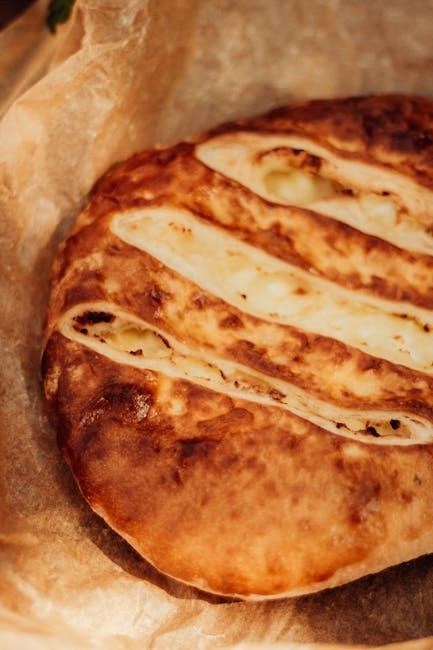
Add the ingredients to your Welbilt bread machine pan in the order recommended by your specific model’s PDF instructions – typically liquids first, then dry ingredients, with yeast last. Select the “Basic” cycle and a 1.5-pound loaf size. Monitor the kneading process; if the dough seems too dry, add a tablespoon of water at a time. Once the cycle completes, carefully remove the loaf and let it cool completely on a wire rack before slicing and enjoying this wonderfully simple, homemade bread!
Whole Wheat Bread Recipe
Nourish your family with this wholesome whole wheat bread recipe, easily crafted in your Welbilt bread machine! Numerous Welbilt PDF recipe booklets, often accompanying models like the ABM3000, feature variations of this nutritious loaf. Combine 1 ¼ cups of warm water, 2 cups of bread flour, 1 cup of whole wheat flour, 2 tablespoons of honey or molasses, 1 ½ teaspoons of salt, and 2 ¼ teaspoons of active dry yeast. The addition of honey enhances the flavor and aids in rising.
Place ingredients into the Welbilt pan following your model’s PDF manual’s recommended order. Select the “Whole Wheat” cycle, if available, or the “Basic” cycle. A 1.5-pound loaf size is generally suitable. Whole wheat flour absorbs more liquid, so check the dough consistency during kneading; add water, one tablespoon at a time, if needed. After baking, cool completely before slicing and savoring this hearty and healthy bread!
Sweet White Bread Recipe
Indulge in a delightful treat with this sweet white bread recipe, perfect for toast, sandwiches, or simply enjoying on its own! Many Welbilt bread machine PDF manuals, including those for the ABM100 series, contain similar recipes. Begin by combining 1 cup of warm milk, ¼ cup of sugar, ¼ cup of melted butter, 1 teaspoon of salt, 3 cups of bread flour, and 2 ¼ teaspoons of active dry yeast. A touch of vanilla extract (1 teaspoon) elevates the flavor profile.
Add ingredients to your Welbilt machine’s pan in the order specified in your model’s PDF instructions. Select the “Sweet” cycle, if available, or the “Basic” cycle. A 1.5-pound loaf is recommended. Monitor the dough during kneading; adjust liquid if necessary. Once baked, allow the loaf to cool completely before slicing and enjoying this wonderfully sweet and fluffy bread!
Honey Wheat Bread Recipe
Experience the wholesome goodness of honey wheat bread, easily crafted in your Welbilt bread machine! Numerous PDF manuals for Welbilt models, like the ABM3000, feature variations of this recipe. Start by combining 1 cup of warm water, 2 tablespoons of honey, 2 tablespoons of vegetable oil, 1 teaspoon of salt, 2 ½ cups of wheat bread flour, and 1 ¾ teaspoons of active dry yeast. A sprinkle of cinnamon (½ teaspoon) adds a subtle warmth.
Place ingredients into the bread machine pan, following the order outlined in your machine’s PDF guide. Choose the “Wheat” cycle, or the “Basic” cycle if a wheat setting isn’t available. A 1.5-pound loaf size works well. Check the dough consistency during kneading, adding a little water if it seems too dry. Enjoy the delicious aroma and hearty flavor of this homemade honey wheat bread!
Rye Bread Recipe
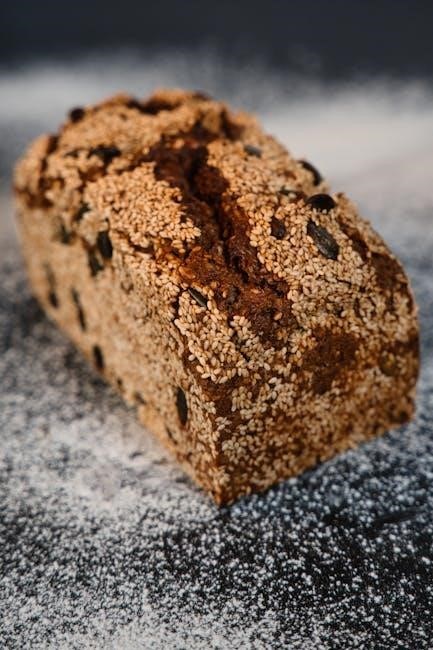
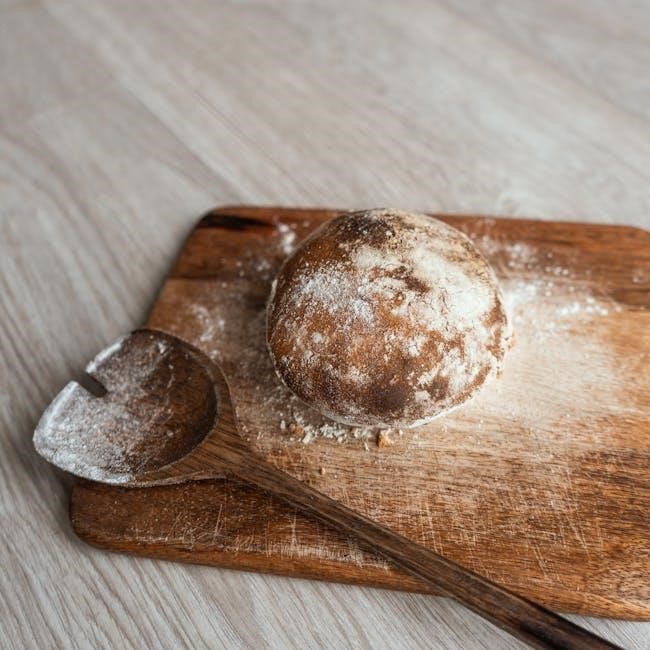
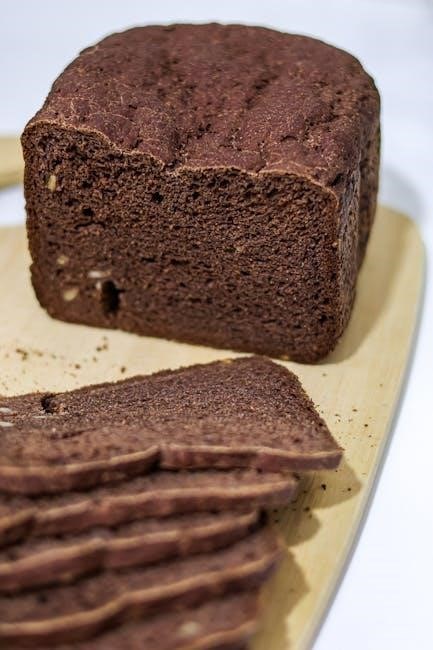
Delve into the robust flavor of rye bread, perfectly achievable with your Welbilt bread machine and readily available recipes found in various PDF manuals. Begin by combining 1 ¼ cups of warm water, 1 tablespoon of molasses, 2 tablespoons of vegetable oil, 1 ½ teaspoons of salt, 2 cups of rye flour, 1 cup of bread flour, and 2 ¼ teaspoons of active dry yeast. A tablespoon of caraway seeds enhances the traditional rye flavor.
Add ingredients to the bread machine pan in the order specified in your Welbilt machine’s PDF instruction manual. Select the “Rye” cycle if available; otherwise, use the “Basic” cycle. A 1.5-pound loaf setting is recommended. Rye dough can be stickier, so monitor kneading. The resulting loaf offers a dense texture and distinctive taste, perfect with savory spreads!
Advanced Recipes & Techniques
Explore complex creations like French bread and cinnamon swirl, adapting PDF recipes for your Welbilt, alongside dough-only options for pizza and rolls.
French Bread Recipe
Achieving a classic French bread texture within your Welbilt bread machine requires careful attention to ingredients and settings. While dedicated French bread programs are rare, utilizing the dough cycle is key. Begin with 3 cups of bread flour, 1 ¾ cups of warm water, 1 ½ teaspoons of instant yeast, and 1 ½ teaspoons of salt. A tablespoon of sugar can enhance browning.
Select the dough cycle and allow it to complete fully. Gently remove the dough and shape it into a baguette. Place it on a parchment-lined baking sheet, score the top with a sharp knife, and brush with water. Bake at 375°F (190°C) for 20-25 minutes, or until golden brown and the internal temperature reaches 200°F (93°C). PDF recipe resources often provide variations, including adding a touch of olive oil for a softer crust. Experiment to find your perfect loaf!
Cinnamon Swirl Bread Recipe
Indulge in the comforting aroma of homemade cinnamon swirl bread, easily crafted in your Welbilt machine! Start with 1 ¼ cups warm milk, ⅓ cup sugar, ¼ cup melted butter, 1 egg, and 3 ½ cups bread flour. Add 1 teaspoon salt and 2 ¼ teaspoons of yeast. Utilize the dough cycle for initial mixing and rising.
Once the dough cycle completes, gently roll it out into a rectangle. Spread with ½ cup softened butter, then sprinkle generously with a mixture of ¾ cup brown sugar and 2 tablespoons cinnamon. Roll up tightly, place in a greased loaf pan, and allow a second rise. Select the bake cycle, adjusting the crust setting for desired color. PDF recipe guides often suggest a glaze of powdered sugar and milk for a finishing touch. Enjoy!
Dough-Only Recipes (Pizza, Rolls)
Unlock culinary versatility with your Welbilt bread machine by utilizing the dough cycle! Simply add ingredients – typically flour, water, yeast, salt, and a touch of sugar – and select the dough setting. This creates perfect dough for pizzas, rolls, or any baked good requiring a risen base.
PDF recipe resources highlight that for pizza dough, a higher hydration level (more water) yields a chewier crust. For soft rolls, enrich the dough with milk and butter. After the cycle completes, shape your dough as desired. Remember to consult your Welbilt manual or online PDF guides for specific ingredient ratios and cycle times. Experiment and enjoy fresh, homemade creations beyond just bread!
Gluten-Free Bread Recipe Adaptations
Adapting recipes for gluten-free baking in your Welbilt bread machine requires careful adjustments. PDF resources emphasize the need for a gluten-free flour blend, often containing rice flour, tapioca starch, and potato starch. Xanthan gum is crucial, acting as a binder to mimic gluten’s elasticity.
Due to gluten-free flours absorbing liquid differently, you may need to increase the liquid amount slightly. Utilize the “Gluten-Free” setting if your Welbilt model has one; otherwise, a longer kneading and rising time on a standard cycle is recommended. Online PDF guides suggest adding a tablespoon of apple cider vinegar to improve texture. Experimentation is key to achieving optimal results with your Welbilt machine!
Troubleshooting Common Issues
PDF manuals detail solutions for kneading paddle problems, loaf collapse, and crust inconsistencies, offering adjustments for various Welbilt bread machine models.
Kneading Paddle Problems
Addressing kneading paddle issues is crucial for successful bread making with your Welbilt machine. Many downloadable PDF manuals emphasize ensuring the paddle is securely attached before starting the cycle; a loose paddle results in uneven mixing and poor loaf structure. If the paddle becomes detached during baking, carefully stop the machine, re-attach it, and resume.
Some users report paddle wear over time, impacting its effectiveness. Regularly inspect the paddle for damage or bending. The Welbilt ABM-100-3, for example, requires a firmly seated paddle for optimal 2lb loaf performance. If the paddle continually fails to knead properly, consult the manual for specific troubleshooting steps or consider a replacement part, often available online. Proper paddle function is vital for gluten development and a well-risen loaf.
Loaf Collapses or Doesn’t Rise
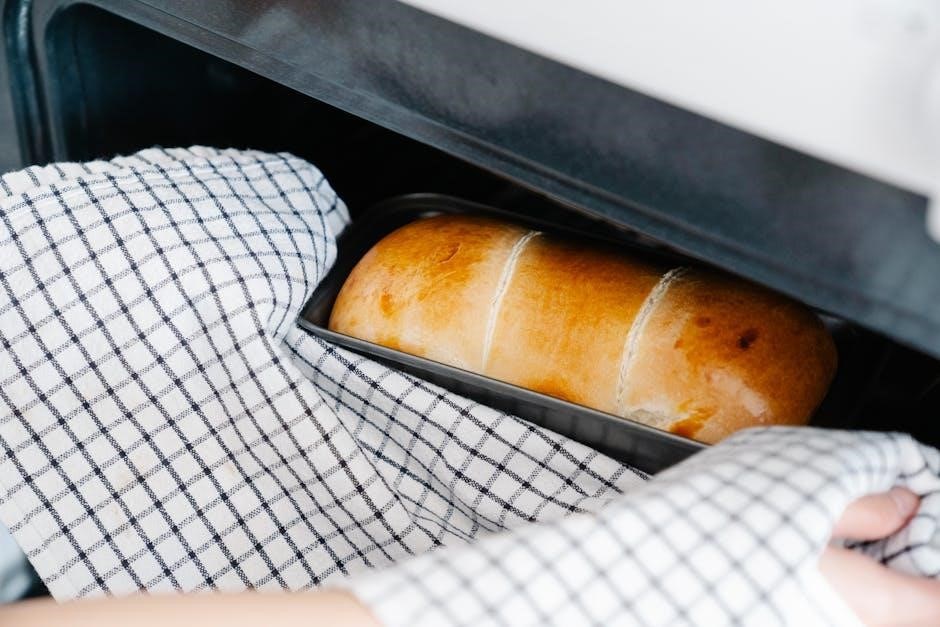
Experiencing a collapsed or unrisen loaf is a common frustration. Welbilt bread machine PDF manuals often pinpoint yeast as the primary culprit. Ensure your yeast is fresh and properly activated – check the expiration date! Incorrect liquid temperatures can also hinder yeast activity; use lukewarm water, not too hot or cold.
Excessive flour or insufficient liquid can create a dense dough unable to rise. Carefully measure ingredients according to your recipe. Some models, like the ABM100-4, are sensitive to ingredient ratios. A power interruption during the rising cycle can also cause collapse. Finally, avoid opening the lid prematurely, as this releases heat and disrupts the rising process. Refer to your model’s manual for specific guidance.
Crust Too Hard or Too Soft
Adjusting crust texture is often achievable through settings on your Welbilt bread machine, detailed in the PDF manual. A hard crust typically indicates excessive baking time or a high-temperature setting. Try selecting a lighter crust setting or reducing the baking cycle duration. Conversely, a soft crust suggests insufficient baking. Increase the baking time or choose a darker crust setting.
Humidity levels can also play a role; drier environments may necessitate longer baking. The type of flour used impacts crust development – whole wheat often yields a firmer crust. Ensure the kneading paddle is securely attached, as an improperly seated paddle can affect even baking. Consult your model’s specific instructions, as variations exist between ABM100-3 and newer versions.
Recipe Adjustments for Different Models
Welbilt bread machine recipes, found in PDF format online, may require slight adjustments depending on your specific model – such as the ABM100-4 versus the ABM3000. Older models like the ABM-100-3 typically handle up to 2lb loaves, influencing ingredient quantities. Always refer to your machine’s manual for capacity guidelines.
Ingredient hydration can vary; newer models might require slightly less liquid. Baking times may differ, so monitor the loaf’s progress closely. Some recipes designed for other brands may need flour adjustments to suit Welbilt’s heating characteristics. Experiment cautiously, noting changes for future batches. Online bread-making communities offer model-specific tips and shared adaptations.

Maintaining Your Welbilt Bread Machine
Ensure longevity by regularly cleaning your Welbilt, replacing parts like the kneading paddle and pan, and storing it properly when not in use.
Cleaning Instructions
Maintaining a pristine Welbilt bread machine is crucial for optimal performance and longevity. Always unplug the machine before commencing any cleaning procedures. The baking pan and kneading paddle are typically removable and dishwasher-safe, offering a convenient cleaning solution. However, hand washing with warm, soapy water is also effective, ensuring thorough removal of any baked-on residue.
The exterior of the machine can be wiped down with a damp cloth. Avoid abrasive cleaners, as they may damage the finish. Pay particular attention to the control panel, gently removing any crumbs or spills. For stubborn residue inside the bread machine, a mild cleaning solution can be used, followed by a thorough rinsing with a damp cloth. Ensure the machine is completely dry before reassembling and using it. Regular cleaning prevents the buildup of bacteria and ensures consistently delicious results with your Welbilt recipes.
Replacing Parts (Paddle, Pan)
Over time, the kneading paddle and baking pan of your Welbilt bread machine may require replacement due to wear and tear. Fortunately, sourcing replacement parts is often straightforward. Online retailers, like Amazon, frequently stock compatible paddles and pans for various Welbilt models, including the ABM100 series. Checking the Welbilt support website is also a valuable resource for locating official replacement parts.
When replacing the kneading paddle, ensure it’s securely attached to the drive shaft to prevent issues during the kneading process. The baking pan should fit snugly within the machine. Before purchasing, verify the part number to guarantee compatibility with your specific Welbilt model. Regularly inspecting these components and replacing them when needed will maintain the quality of your bread machine recipes and extend the machine’s lifespan.
Long-Term Storage Tips
When storing your Welbilt bread machine for extended periods, proper preparation is crucial to ensure its longevity. Begin by thoroughly cleaning the machine, including the baking pan and kneading paddle, as detailed in the cleaning instructions. Ensure all parts are completely dry before storage to prevent mold or mildew growth.
Store the bread machine in a cool, dry place, away from direct sunlight and extreme temperatures. Consider using the original packaging, if available, to protect it from dust and physical damage. Detach the power cord and store it separately within the machine or nearby. Periodically check the stored machine to ensure no moisture has accumulated. Following these simple steps will help maintain your Welbilt bread machine, ready for future baking adventures and delicious recipes.
Resources and Further Information
Explore the official Welbilt support website and vibrant online bread-making communities for additional recipes, tips, and troubleshooting assistance for your machine.
Welbilt Support Website
Navigating the official Welbilt support website is a crucial step for any owner seeking assistance with their bread machine. While direct links to extensive recipe PDFs specifically for older models can be elusive, the site often hosts downloadable instruction manuals. These manuals, particularly for models like the ABM100-4, frequently include a selection of basic recipes to get you started.
Furthermore, the support section may offer troubleshooting guides addressing common issues, which indirectly aids recipe success by ensuring your machine functions optimally. Keep in mind that Welbilt’s current focus may not prioritize legacy bread machine support, so patience and thorough searching are key. You might find contact information for customer service, allowing you to inquire directly about recipe availability or model-specific guidance. Exploring related appliance support pages under the Welbilt umbrella could also yield helpful information.
Online Bread Making Communities
Engaging with online bread making communities represents a fantastic resource for Welbilt bread machine enthusiasts, particularly when seeking recipes and troubleshooting advice. Forums and social media groups dedicated to bread machines often contain shared recipe collections, including adaptations specifically for Welbilt models. Members frequently exchange tips and tricks for achieving optimal results, addressing issues like kneading paddle problems or loaf collapses.
These communities are invaluable for locating recipes not readily available in official documentation, especially for older machines where PDFs are scarce. Users often scan and share instruction manuals and recipe booklets, creating a collaborative archive. Searching these platforms for your specific Welbilt model number (e.g., ABM100-3, ABM3000) will yield the most relevant results, connecting you with fellow bakers eager to share their expertise.