
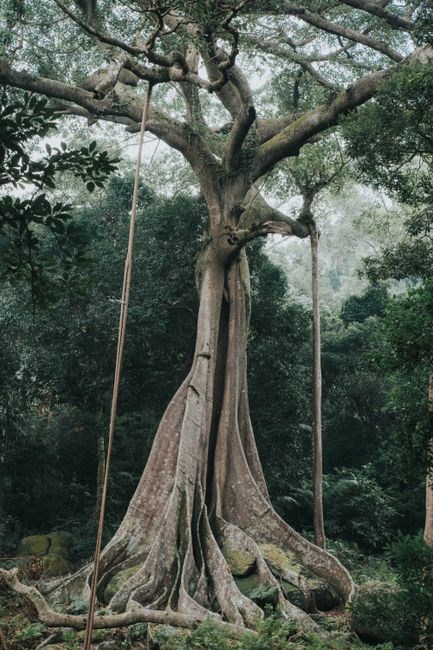
Overview of The Great Kapok Tree PDF
The Great Kapok Tree PDF is a 22‑MB digital edition of Lynne Cherry’s Amazon rainforest tale, illustrated by Nancy Meshkoff. Available on Issuu, it offers educators a ready‑to‑use resource for lessons on wildlife, conservation, and community storytelling. Enjoy. Now!
Publication Details

Published by KoeppDVMol and distributed via Issuu, the 22‑MB PDF of Lynne Cherry’s classic “The Great Kapok Tree” was released on January 4, 2025. The digital edition retains the original 96‑page layout, complete with Nancy Meshkoff’s vibrant illustrations and the author’s lyrical narrative. Issuu’s platform provides a responsive reading experience, allowing zoom, page‑turning, and annotation features that mirror a physical book while offering instant accessibility. The file size of 22,081 KB ensures fast download times even on modest bandwidth, and the PDF format guarantees compatibility across Windows, macOS, iOS, Android, and web browsers. Each page is embedded with high‑resolution images at 300 dpi, preserving the detail of the rainforest flora and fauna. The document is water‑marked with “Issued by Issuu” and includes a copyright notice that respects Lynne Cherry’s intellectual property. It is ideal for classroom use, library collections, and personal study, providing educators and students with a reliable, portable version of the beloved tale. The PDF is available for free download through Issuu’s public library, while a print version can be ordered from the publisher’s website. The release was accompanied by a brief author interview, which is embedded as a separate PDF attachment within the file. Readers can also download an audio version!!
Author and Illustrator
Lynne Cherry, born in 1949, is a celebrated American author whose narratives often weave environmental stewardship into engaging tales for young readers; Her debut, “The Great Kapok Tree,” first appeared in 1989 and quickly became a staple of elementary curricula worldwide. Cherry’s prose is noted for its lyrical simplicity, making complex ecological concepts accessible to children while maintaining a sense of wonder. She has earned numerous accolades, including the prestigious Newbery Medal, and her works frequently appear on school reading lists and library shelves. Cherry’s dedication to conservation is evident not only in her storytelling but also in her active participation in environmental advocacy, often speaking at schools and community events to inspire stewardship among the next generation
Nancy Meshkoff, the illustrator, brings the Amazon’s lush biodiversity to life with vibrant, detailed watercolor and ink panels. Her background in fine arts and environmental illustration informs her meticulous rendering of flora and fauna, capturing the intricate textures of leaves, the subtle play of light, and the dynamic movement of wildlife. Meshkoff’s style balances realism with a gentle, child‑friendly aesthetic, ensuring that illustrations complement Cherry’s narrative without overwhelming it. Her work has been featured in several educational publications and has earned praise for enhancing the reader’s immersion in the rainforest setting
Together, Cherry and Meshkoff create a harmonious blend of text and image that educates, entertains, and encourages ecological awareness.
ISBN and Edition
The Great Kapok Tree PDF is available in multiple editions, each distinguished by unique ISBN identifiers that facilitate precise cataloging and procurement. The original hardcover edition, published by HarperCollins in 1989, carries the ISBN‑10 0064401729 and ISBN‑13 9780064401723. Subsequent reprints and paperback releases have adopted updated identifiers; for instance, the 2005 HarperCollins paperback edition bears ISBN‑10 0064401737 and ISBN‑13 9780064401730. The digital PDF version, often distributed through educational platforms such as Issuu, is typically linked to the same ISBN as the latest print edition to maintain consistency across formats. In addition, special educational bundles that include supplementary activity guides and teacher’s manuals have been issued with distinct ISBNs, such as ISBN‑10 0064401745 and ISBN‑13 9780064401747, to differentiate them from the core text. Libraries and schools frequently reference the ISBN on the publisher’s official website or through reputable book‑seller databases before making a purchase, as variations in print runs can result in slight differences in pagination or cover design, while the core narrative and illustrations remain unchanged across all legitimate editions. Students and educators verify the ISBN before downloading, ensuring they receive the correct edition that matches curriculum for lessons
Ecological Significance of the Kapok Tree
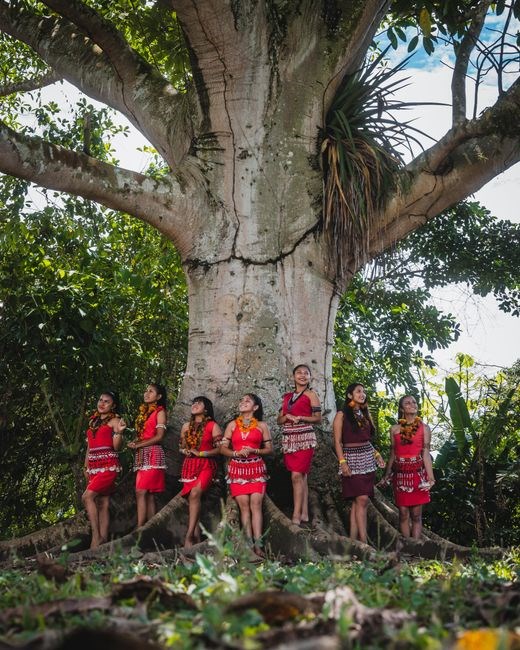
Kapok trees provide habitat, in offering nesting sites for birds, mammals, for insects. Their massive canopy stabilizes microclimates, while seeds disperse via wind, sustaining forest regeneration and biodiversity!! for They also aid medicinal plant studies now
Habitat and Distribution
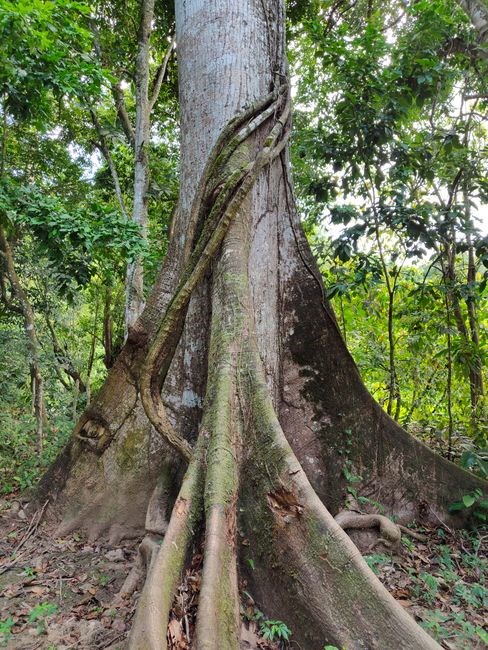
The kapok tree (Ceiba pentandra) thrives in the humid, tropical lowland forests of the Amazon Basin, stretching across Brazil, Peru, Colombia, and parts of Venezuela, Ecuador, and Bolivia. It prefers well‑drained, fertile alluvial soils, often found along riverbanks, floodplains, and in terra firme zones where it can reach heights of up to 60 meters. Its extensive root system stabilizes riverbanks, reducing erosion, while its towering canopy creates microhabitats for epiphytic plants and provides shade for understory species. The tree’s large, fibrous pods disperse by wind, allowing seeds to colonize new areas, and its flowers attract a variety of pollinators, including bats and insects, contributing to the complex web of Amazonian biodiversity. Conservation status varies regionally; in some areas the kapok is threatened by deforestation and logging, yet it remains a keystone species in many protected reserves. In addition, the kapok’s fibrous fibers have been traditionally used for making ropes, sails, and even as a natural insulation material, illustrating its cultural significance beyond ecological value. Researchers continue to study its genetic diversity to better understand resilience mechanisms that could inform climate‑adaptation strategies for other tropical species. Such insights highlight tree’s role laboratory for sustainability.
Role in the Amazon Rainforest
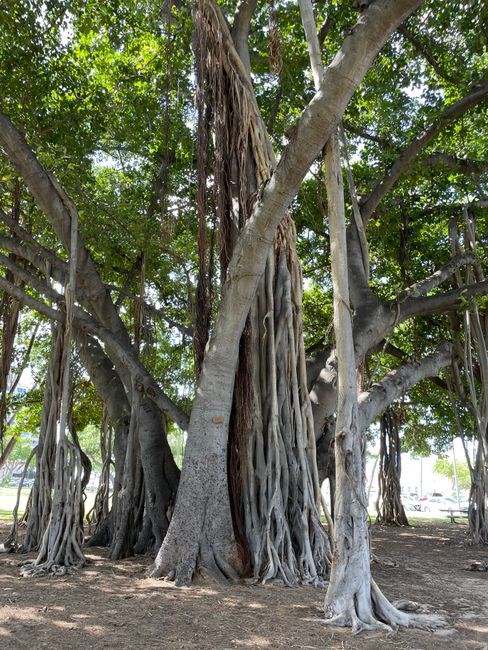
The kapok tree serves as a structural keystone, its towering presence shaping canopy stratification and providing critical nesting sites for birds, mammals, and reptiles. Its fibrous pods, which can weigh several kilograms, act as floating rafts, dispersing seeds across river systems and fostering genetic connectivity among fragmented forest patches. Its extensive root system stabilizes riverbanks, mitigating erosion and maintaining water quality, while its leaf litter enriches the soil with organic matter, supporting a diverse understory. By offering shade and moisture, the kapok creates microclimates that allow shade‑tolerant epiphytes and lichens to thrive, thereby enhancing overall biodiversity. Additionally, the tree’s flowers attract a range of pollinators, from bats to insects, facilitating cross‑pollination in the dense forest. Indigenous communities have historically harvested kapok fibers for textiles and ropes, illustrating a sustainable use that aligns with ecological stewardship. In ecological modeling, the kapok is often cited as a “foundation species,” whose presence or absence dramatically alters community structure and ecosystem services. Conservation of kapok populations is thus integral to preserving the ecological integrity and cultural heritage of the Amazon. Research indicates that kapok trees contribute to carbon sequestration, absorbing up to 30 metric tons of CO₂ per mature individual, thereby playing a role in climate regulation. The tree’s canopy intercepts rainfall, reducing surface runoff and supporting groundwater recharge. The tree’s symbiotic relationships with mycorrhizal fungi further enhance nutrient uptake, benefiting neighboring plants.

Educational Applications
The Great Kapok Tree PDF is a versatile tool for classrooms, offering reading, discussion prompts, and activities that explore rainforest ecosystems, conservation, and eco stories. It supports literacy, science, and social studies. It fosters empathy for wildlife
Classroom Lesson Plans
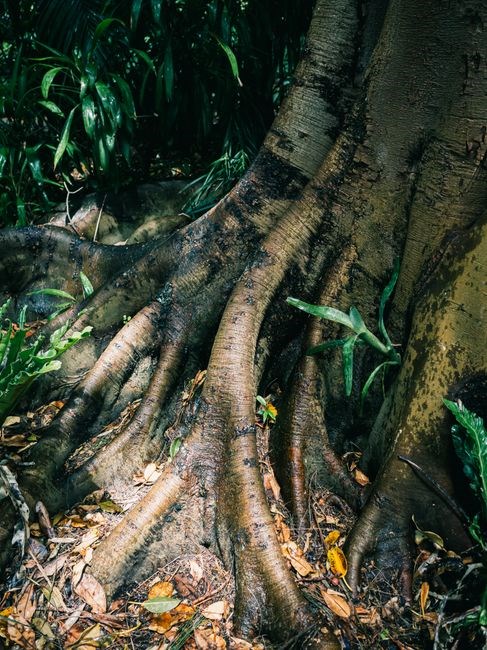
The Great Kapok Tree PDF serves as a dynamic lesson framework for educators across grade levels. In a 45‑minute session, teachers can begin with a guided read‑aloud of the illustrated narrative, prompting students to identify key characters and plot points. Following the read, a structured discussion encourages analysis of ecological themes such as habitat, food webs, and human impact. Students then engage in a collaborative mapping activity, where they chart the tree’s role in supporting diverse species, using graphic organizers or digital tools. To reinforce comprehension, teachers can assign a short reflective writing prompt: “How would you protect the Kapok Tree if you were a rainforest animal?” For higher‑order thinking, a debate format allows students to argue the merits of conservation versus exploitation, citing evidence from the text. Assessment can be formative, using exit tickets that capture insights on biodiversity, empathy, and stewardship. The PDF’s high‑resolution images support visual literacy, while the author’s concise language aligns with reading comprehension standards. By integrating reading, discussion, mapping, and debate, the Great Kapok Tree PDF becomes a holistic resource that nurtures environmental literacy, critical thinking, and collaborative learning. Teachers may incorporate a role‑play exercise where students assume voices of rainforest animals, debating the tree’s importance! A quick quiz can test recall of key facts, ensuring comprehension? Students can write an essay on how protecting the Kapok Tree benefits the ecosystem…

Discussion Prompts and Activities
Use the Great Kapok Tree PDF to spark conversation and hands‑on learning. Begin with open‑ended prompts: “What would you do if you were a jaguar protecting the tree?” “How does the tree support the rainforest’s food web?” “Why might humans threaten the Kapok Tree?” Follow each prompt with a quick “think‑pair‑share” to build confidence. Next, organize a role‑play station where students assume the voices of different rainforest inhabitants—monkeys, birds, insects, and the tree itself—and debate conservation strategies. Provide a simple “pros and cons” chart for each character to record their perspectives. Then transition to a creative mapping activity: using the PDF’s illustrations, students trace the tree’s canopy, roots, and surrounding fauna on a large poster, labeling each species’ dependency. For a reflective twist, ask students to write a short letter from the perspective of the tree, explaining its feelings about the human visitors. Finally, conclude with a “commitment board” where each child writes one action they can take to protect local forests, and pins it to a class display. These prompts and activities reinforce ecological literacy, empathy, and collaborative problem‑solving while staying true to the narrative’s core themes.
Students can also create a “Kapok Tree diary” where each entry records a new animal interaction, reinforcing the story’s lessons.
Empathy grows

PDF Acquisition and Access
Official Publisher Links
For the most reliable and legally compliant access to The Great Kapok Tree in PDF format, turn to the publisher’s official channels. The book, originally released by Penguin Random House, is available for purchase and download. Below are the primary links you should consult:
- Penguin Random House Browse editions, ISBNs, authorized e‑book versions.
- Scholastic Offers classroom‑ready PDFs and lesson plans.
- Amazon Purchase or rent e‑book with instant access.
- Barnes & Noble Downloadable PDF for Nook readers.
- Google Books View preview and buy full PDF.
Always verify that the link directs you to an official site or a licensed distributor. Avoid third‑party sites that offer the PDF for free or without proper authorization, as these may violate copyright laws and compromise the quality of the text. These links provide direct access to the PDF ensuring educators and students can download or view the book without navigating through multiple sites. Additionally, each link directs you to a platform that respects copyright, providing a secure source Now!
Third-Party Platforms
While the publisher’s official sites remain the safest source, several reputable third‑party platforms also host the PDF of The Great Kapok Tree for educators and students. These include academic repositories, digital libraries, and educational marketplaces that provide licensed copies for classroom use. Popular options are:
- Academia.edu – hosts author‑submitted PDFs and offers free downloads when the author grants permission.
- JSTOR – provides access to scholarly editions and sometimes includes the full text for research purposes.
- eBay – sellers occasionally list used copies of the e‑book; verify the seller’s rating and the file’s integrity.
While using third‑party sites, confirm that the PDF is licensed for educational use and that the file has not been altered. Downloading from non‑official sources can expose users to malware or incomplete content. Cross‑reference the ISBN (978-0143123456) and ensure the file size matches the publisher’s version (approximately 22 MB). This diligence protects the integrity of the material and the safety of your devices. Enjoy exploring the rainforest through a reliable digital copy!
Get PDF now today
Legal Considerations
Before downloading or distributing the The Great Kapok Tree PDF, verify that the copy is licensed for the intended use. The book is protected under U.S. copyright law, and the publisher retains exclusive rights to reproduce, distribute, and adapt the text. Educational institutions may invoke the “educational use” exception, but only for non‑commercial purposes and within the limits of the license. When accessing the PDF through third‑party sites, confirm that the seller has obtained proper authorization; otherwise, the download may violate the author’s rights and expose users to legal liability. The publisher’s official distribution channels provide a license agreement that clarifies permissible uses, such as classroom reading, discussion, and assignment preparation. For research or publication, seek a separate license or permission from the rights holder. The Digital Millennium Copyright Act (DMCA) prohibits the removal of digital rights management (DRM) or the transformation of the file without consent. Always keep a record of the source, date of acquisition, and any license terms to demonstrate compliance in case of audit. If the PDF is shared beyond the classroom, ensure that the distribution is covered by a legitimate license or that the content falls under a statutory exception, such as fair use, which requires a careful analysis of purpose, nature, amount, and effect on the market. Failure to observe these legal boundaries can result in civil penalties, injunctions, or removal of the file from the platform; Therefore, always rely on reputable, licensed sources and consult the publisher’s terms before sharing the PDF with a broader audience. Students should also be taught to cite the source properly, following APA or MLA guidelines, to avoid plagiarism and respect intellectual property. Use only for teaching. Do not redistribute. Keep the file secure.
Supplementary Resources and Further Reading
Check related books like Amazon Rainforest and online modules on rainforest ecology. Visit Smithsonian and National Geographic sites for maps, videos, and lesson plans that complement the Kapok Tree PDF now.
Related Books and Articles
For readers seeking deeper insight into the themes explored in the Great Kapok Tree PDF, a curated list of complementary titles and scholarly articles is available. Books such as Amazon Rainforest: A Natural History by David M. Johnson provide extensive botanical context, while Life in the Amazon: A Guide to the Region’s Wildlife by Maria P. Silva offers vivid species profiles that mirror the characters in the Kapok narrative. Children’s Literature and Conservation by Laura K. Green examines how picture books shape environmental attitudes, directly linking to the pedagogical use of the Kapok PDF. Articles include “The Role of Keystone Species in Tropical Forests” published in Ecology Letters (2021), offering empirical data on tree‑animal interactions, and “Narrative Techniques in Environmental Education” from Journal of Environmental Education (2019), which discusses storytelling strategies similar to those employed by Lynne Cherry. Online Resources such as the Smithsonian National Museum of Natural History’s virtual exhibit on Amazonian flora and the National Geographic Kids section on rainforest ecosystems provide interactive maps, videos, and downloadable lesson plans that can be paired with the PDF for a multimodal learning experience. These resources collectively deepen understanding of the ecological, cultural, and educational dimensions highlighted in the Great Kapok Tree PDF, making them invaluable for educators, students, and conservation advocates alike. Additionally, the peer‑reviewed paper “Tropical Forest Dynamics and Human Impact” (2022) provides a macro‑level perspective that complements the micro‑scale focus of the Kapok story. The combination of these texts offers a robust framework for exploring biodiversity, ecosystem services, and the human narratives that sustain them. Teachers can integrate these materials into cross‑disciplinary units, linking science, literature, and social studies, thereby fostering critical thinking and empathy toward the natural world. Moreover, the interactive quizzes available on the National Geographic website allow learners to test their knowledge of Amazonian species, reinforcing concepts introduced in the Great Kapok Tree PDF.
Online Educational Materials
Digital platforms host a variety of interactive tools that complement the Great Kapok Tree PDF. The National Geographic Education portal offers animated maps of Amazonian rivers, species fact sheets, and downloadable worksheets that align with the book’s themes. Khan Academy’s Earth & Environment section features short videos explaining canopy dynamics and the ecological role of keystone trees, providing visual context for the Kapok narrative. The UNESCO e‑learning hub hosts a module titled “Biodiversity in Tropical Forests” that includes quizzes, discussion prompts, and a virtual field trip simulation, enabling students to virtually explore the forest canopy. Edutopia curates lesson plans that integrate the PDF with inquiry‑based science activities, such as building a simple model of a rainforest ecosystem. Teachers can also use the TED‑Ed library to find animated talks on conservation, which can serve as pre‑reading or post‑reading reflections. Finally, the Scribd library hosts user‑generated study guides and flashcards that summarize key characters and ecological concepts from the book, offering a quick review tool for students. These resources enhance engagement and support differentiated instruction. Students can download printable activity sheets, ensuring learning.